At the end of my second year of teaching, I met with my instructional leader and the coordinator of teacher development. Together, we developed some goals for my third year of teaching at Greenwood. One of these goals has been to personalize the Grade 12 Green Industries course.
Personalization of learning for students is an ongoing goal of mine; however, I have learned that it is much more difficult to truly personalize a course than I had expected. I set out to start the year by providing the students with the opportunity to "Choose Your Own Adventure" (CYOA), allowing students to design their own learning experience around their own personal interest in the Green Industries.
The course curriculum covers a wide range of expectation that could be approached differently depending on which "green industry" one chooses to focus on. For example, it is possible to meet the expectation "develop and evaluate designs or processes for a variety of applications in the green industries" by learning to design a landscape plan for a new park or by learning about timber cruising. Therefore, the opportunity for personalization is great.
CYOA step-by-step
To view all templates and examples, click
here.
1. Students are introduced to the inquiry-based learning approach
2. Students are provided with an abridged version of the Ontario Curriculum Expectations for THJ4M
3. As a class, we use the DOVE approach to brainstorming to generate a huge list of possible topics for investigation
4. Students are given a number of additional modules to choose from
(click here for the list)
5. Students are required to choose one topic -- either from the modules provided or from the brainstorm list -- and conduct preliminary research
6. Based on their preliminary research, each student develops an "essential question" that will guide their research.
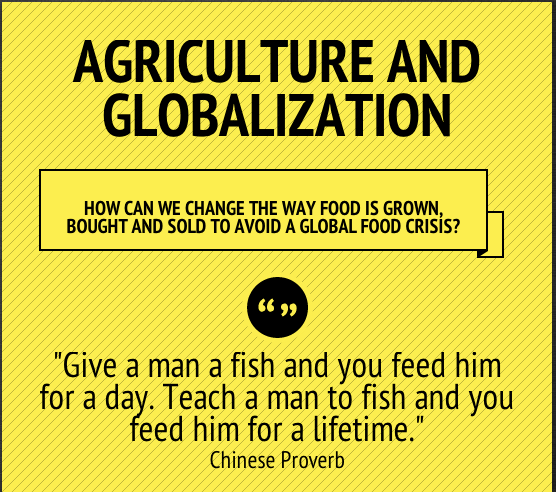
7. Using the research template and examples provided, students create a to do list for their project. Below is the example students received.
Here is an example of one student's completed template
8. From there, students use a template provided to make an annotated bibliography and write a short statement (300-500 words) that summarizes their findings and attempts to answer their essential question.
9. Students are provided with
a checklist for their final "deliverables" for the project. We go through the rubric together as a class so that students know the expectations for their project.
10. Now, students must develop a plan of action to investigate their topic in more depth. In order to do this, they were asked to create their own "deliverables" and due dates based on their "need to know" from the first step of the project. Below is a section from the example provided.
Click here to view a student example of this stage of the project.
11. After their plan of action is approved, students begin work on creating their deliverables to meet their self-imposed deadlines. All students are given the same final deadline in November to complete the entire project.
12. As students progress through their plan of action, I check in regularly with them to ensure they are meeting deadlines and developing content that will meet expectations
13. Students submit deliverables in two stages - early November and mid November. Deliverables cover a wide range of content and forms:
14. Students complete a self-evaluation, and evaluation of the project itself (did they like learning this way?), and a reflection on the project.
Note: In order to keep track of which curriculum expectations are being met by which students, I use a tracking chart and matrix to monitor their progress as well as the expectations covered.
Hindsight is 20/20:
While some students excelled at this project and their feedback showed that they really enjoyed being the captains of their own ships on this Choose Your Own Adventure, not all students found success in the self-directed learning process. Some feedback from students indicated that they would like to be given more direction and that they did not enjoy the inquiry based model of learning.
In hindsight, this is something that I should have known going into this project. I have taught every student in this class for at least two years, so I should have been more aware of certains student's weaknesses when it comes to self discipline and self direction. While I did my best to stay on top of each student's progress, not all students met deadlines. Without any exemplars to show students what was expected of them with this project, some students struggled to visualize what they would create and thus some final products were lacking depth of knowledge expected at the Grade 12 level.
To improve this project for next year I will:
- Start smaller with a mini-inquiry project in which all students will focus on one topic from the list of modules. This will allow me to model the research, planning and thinking skills required to complete an inquiry project successfully, with lower stakes.
- Move the CYOA project to second term. This will allow me to introduce possible topics of study though out the first term, and also give students more opportunity to explore the various green industries before choosing one area of focus.
- Provide a directed-study option for students who require/prefer more guidance. Within this option, students would still have choice on products and topics, but these options would be clearly laid out rather than student-created.
- Encourage more real-world connections to the project by facilitating opportunities for students to meet with professionals in the area they are studying.
The benefits of this project are:
- Students had the opportunity to explore a topic that interested them, thus increasing motivation to learn for those who were truly interested in their topic.
- Provided opportunity for students to be creative in their method of displaying what they have learned and to take ownership for their work, thus helping to improve "performance character"
- Encouraged students to develop skills that will be required in post-secondary life: self direction, goal setting, research planning, and questioning skills.